 Login to Portal
In this edition we speak to Renae from Transform Life.
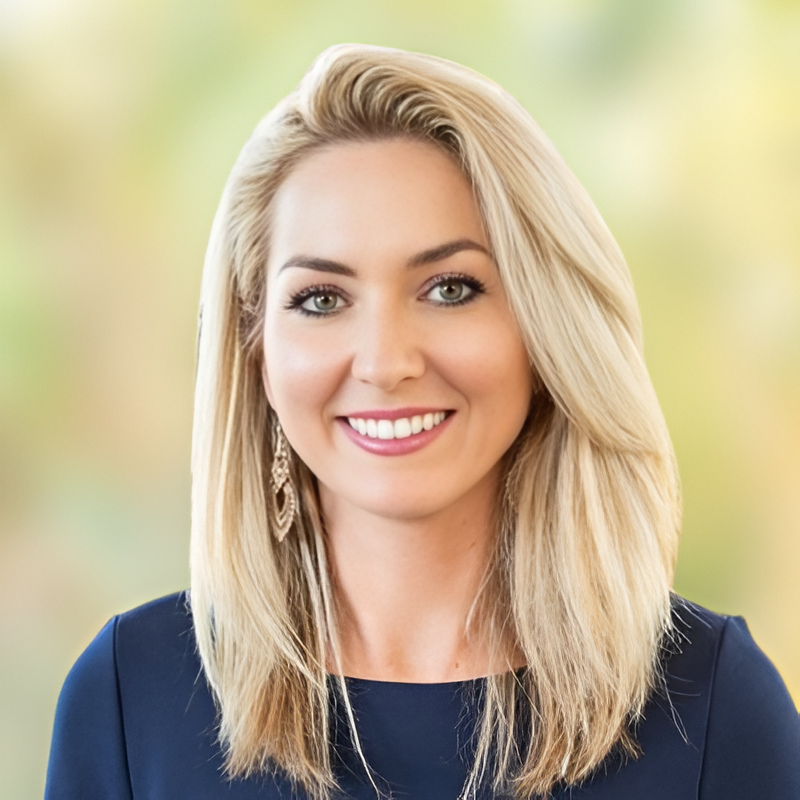
Hi Renae, tell us a bit about you and your team.
I’m Renae Tate, I’m the CEO and co-founder of Transform Life. I originally came from a clinical background in Behaviour Support, so I’ve had the opportunity to see this sector from both sides — as a practitioner working directly with participants and now as a leader of an organisation.
Transform Life is a therapist-owned and operated allied health organisation. We’ve grown significantly with Clinicians in every state across Australia, but one thing that’s really important to us is maintaining that connection to why we started the organisation in the first place.
We have a multidisciplinary team across Psychology, Occupational Therapy, Speech Pathology and Behaviour Support, and what I love is that we can bring those different disciplines together around the participant.
We are passionate about uplifting, inspiring and empowering our participants to reach their full potential and create lasting change.
What sort of services do you offer?
We’re an allied health organisation, so we provide Psychology, Occupational Therapy, Speech Pathology and Behaviour Support. We work predominantly with people who have disability, mental health and psychosocial needs across all ages within the NDIS, as well as some services outside of the NDIS.
We provide both face-to-face and Telehealth services, which has also allowed us to support people across Australia.
But I think the important thing is that we don’t see our services as four separate departments. A participant might need Psychology, OT, Speech Pathology and Behaviour Support, and the real value comes when those professionals are actually communicating and working together to get the best support and outcomes for the participant.
Why do people come to you for help?
People generally come to us because something isn’t working or they’re facing challenges and need support to achieve their goals.
It might be a child struggling at school, a family experiencing behaviours of concern, someone needing support to become more independent, or a person whose communication difficulties are affecting their everyday life.
Often, by the time someone comes to us, they’re already quite overwhelmed. They’ve tried different things, they’ve spoken to different people and they’re looking for someone who can understand and help create lasting change.
We want to understand what’s happening in this person’s life, what their goals are and what they’re trying to achieve.
What’s the goal or overall aspiration you have for your customers?
Ultimately, we want people to have better lives, and I think that sounds simple, but it’s actually quite powerful.
It’s not necessarily about trying to change who they are. It’s about asking, what does a good life look like for this person? How can we help them achieve their goals and thrive?
For one person, it might be being able to communicate with their family. For another, it might be managing anxiety and getting through a school day without having a meltdown. For someone else, it might be living more independently, getting a job, building relationships or being able to participate in their community.
So, our goal is really about helping people have greater choice, independence, participation and overall quality of life. It really comes down to what success looks like for that person and building on that.
How important is a personal approach in your work?
It’s absolutely critical. Two people can have the same diagnosis and completely different needs, families, environments, strengths and goals.
So, our clinicians need to understand the person, not just the diagnosis.
That’s also why multidisciplinary collaboration is so important. Sometimes what looks like a behaviour issue might actually be communication. What looks like anxiety might be related to sensory needs. What looks like disengagement might actually be that the environment isn’t working for that person.
We need to look at the whole person and their environment to help get the best and most lasting outcomes.
What’s something that people should know about your services that most people don’t know?
I think one of the things people don’t always realise is how much happens behind the scenes in good allied health. People sometimes think the value is just the hour the clinician spends with the participant. But there’s a huge amount of clinical thinking, collaboration, assessment, reviewing information, communicating with other professionals and planning that happens around that appointment.
We’re also very conscious of quality. As we’ve grown, we’ve invested heavily in clinical governance and quality assurance because we don’t believe that getting bigger should mean lowering the standard. In fact, I think the opposite should happen — the bigger you become, the more responsibility you have to demonstrate that you’re delivering quality care.
What advice would you have for someone wanting more information?
The best thing to do is reach out to Transform Life. Our team can have a conversation with you about what you’re looking for, what challenges you’re experiencing and which of our services may be the right fit.
We want to understand you as a person, your goals and what you’re trying to achieve so we can provide the right support.
If you’re not sure where to start, contact us — that’s what we’re here for. We can help you understand what support may be appropriate and connect you with the right clinician within our team.
So whether you’re a participant, a family member, a Support Coordinator or another professional looking for support for someone, come and talk to us.
Thanks for your time Renae!